- Книга (6646)
- Газета (56)
- Журнал (372)
- Автореферат диссертации (582)
- Изоиздание (52)
- Аудиоиздание (45)
- Видеоиздание (303)
- Картографическое издание (5)
- Неопубликованный документ (612)
- Нотное издание (17)
- Фотография (39)
- Статья (4916)
- Библиографический указатель (91)
- Словарь (12)
- Календарь (7)
- Брошюра (147)
- Буклет (43)
- Электронное издание (2)
- 3D-модель (36)
- Грампластинка (19)
- Веб-архив (3409)
- Бурятский (3)
- Чукотский (9)
- Долганский (2)
- Английский (259)
- Эскимоский (3)
- Эвенкийский (11)
- Эвенский (88)
- Французский (17)
- Немецкий (7)
- Хантыйский (1)
- Киргизский (1)
- Корейский (1)
- Мансийский (1)
- Нанайский (1)
- Ненецкий (4)
- Нганасанский (1)
- Нивхский (4)
- Старорусский (20)
- Польский (6)
- Русский (15040)
- Латинская графика (129)
- Испанский (2)
- Таджикский (1)
- Тунгусский (5)
- Турецкий (5)
- Ульчский (1)
- Узбекский (1)
- Якутский (1768)
- Юкагирский (16)
- Не указан (6)
- Литературно-художественные издания (779)
- Официальные издания (1370)
- Научные издания (6289)
- Научно-популярные издания (2316)
- Информационные издания (4488)
- Справочные издания (72)
- Учебные издания (1095)
- Производственно-практические издания (39)
- Массово-политические издания (872)
- Изобразительное издание (85)
Издательство: Якутское книжное издательство
Год выпуска: 1979
Количество страниц: 192 с.
Издательство: Издательство ДНиСПО МО РС(Я)
Год выпуска: 2001
Количество страниц: 164 с.
Издательство: Издание Якутского филиала СО АН СССР
Год выпуска: 1978
Количество страниц: 170 с.
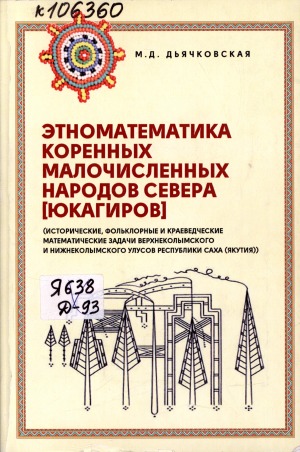
Издательство: [Типография Чувашского госуниверситета]
Год выпуска: 2014
Количество страниц: 118 с.

Издательство: Юридическая литература
Год выпуска: 1984
Серия, номер выпуска: Т. 1
Количество страниц: 438 с.
Издательство: Юридическая литература
Год выпуска: 1986
Серия, номер выпуска: Т. 4
Количество страниц: 520 с.
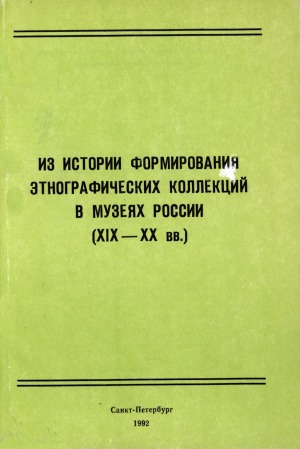
Издательство: Государственный музей этнографии
Год выпуска: 1992
Количество страниц: 232 с.